-
Code:Perga_pita144
-
Weight:0.144 Kgs
Quick Buy

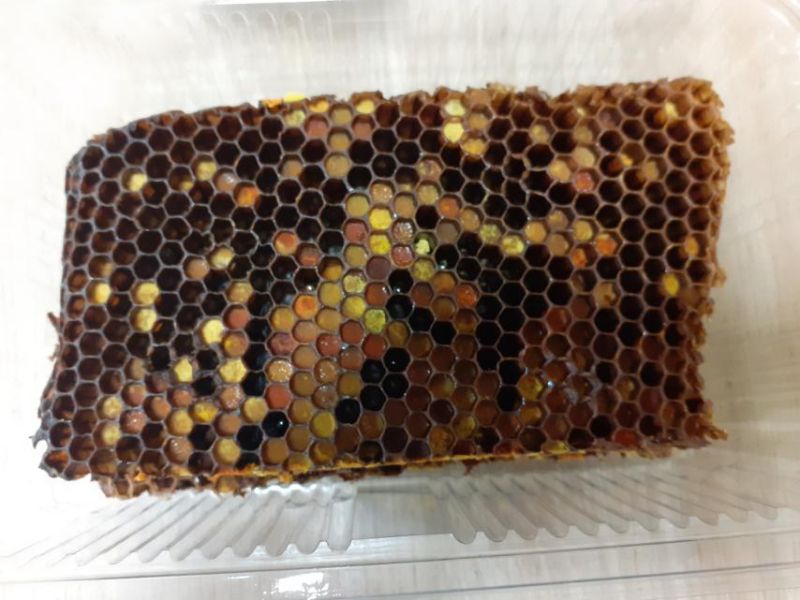
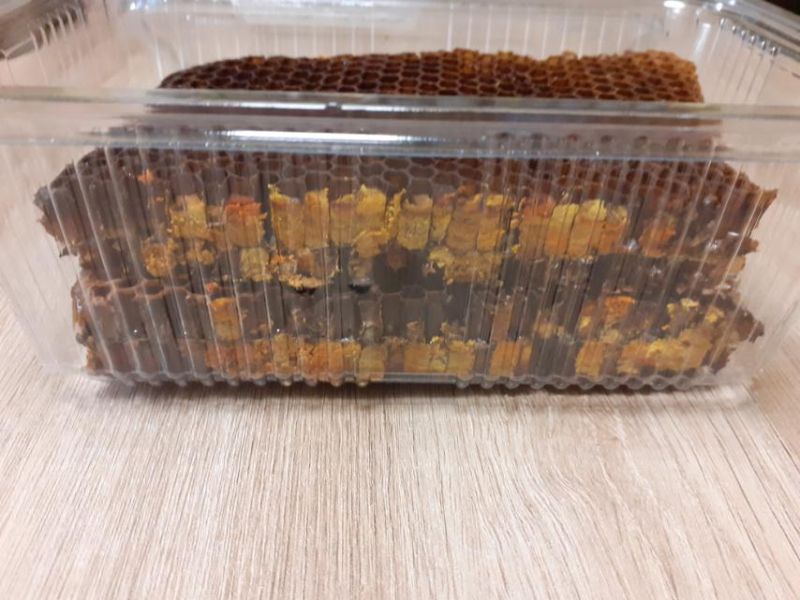
Contact
Please contact us via the form below.
NATURAL ROYAL JELLY
NATURAL BEE POLLEN
Bee Pollen – on the Front Line of Defense
Dr. Miroslav BALCHEV, 01.04.2020
Over the past few months, shortly before and during the coronavirus epidemic, I have arrived at certain insights that have been confirmed in practice. In brief: My work involves a great deal of travelling. During these journeys, I do not have much time or the proper conditions to follow certain rules. One of them concerns the recommended method of consuming bee pollen: add one teaspoon of it to a cup of yoghurt, add a little honey, leave it in the refrigerator overnight or for a day, and consume it after 8–10–12 hours on an empty stomach /half an hour before eating or two hours after eating/. Bee pollen can, of course, also be added to various other mixtures and combinations of healthy foods. To be honest, as a doctor, I had developed the deceptive feeling that I was somehow immune to the diseases and suffering from which I was trying to cure other people. As a result of this false sense of invulnerability, I was not particularly fond of pollen, and the cumbersome preparation procedure did not exactly encourage me to use it. It was something like: “Do not watch what I do; listen to what I say.” In other words: consume pollen because it is very beneficial, while I myself do not consume it. But everything comes in its own time. The soul is eternal, but the framework needs maintenance. During my journeys in rain and snow, in scorching heat, and while working in the apiaries throughout all seasons /the beekeeper’s office is under the open sky/, my own framework began to “creak.” Sometimes my nose would begin to run, sometimes my throat would tighten, sometimes I would feel that I was about to fall ill.... But there was no time to slow down.
The solution proved to be very simple. I had filled 40 ml jars with 25 g of pollen each. I regularly keep several such jars in my cars. When I feel that something is wrong and that something flu-like is beginning, I “take a sip” of raw dried pollen from the jar, keep it in my mouth until it dissolves completely, and continue on my way. The effect of consuming it in this manner is remarkable. It can be felt very clearly, and not only in the nose and throat. It occurs almost immediately.
This impressed me, and I began to consider what might be causing it.
As a doctor, I have developed certain habits /occupational distortions/, such as observing myself somehow from the outside and thinking about mechanisms of action, physiology, pathophysiology and biochemistry.
The answer proved to be literally “just around the corner.” Bee pollen contains phytoncides, antibacterial substances, antioxidants, flavonic acids, immunostimulants and other substances.... I cannot list all of them. According to the literature, there are more than 250. All these substances come into contact with the mucous membranes of the oral cavity. They evaporate and are absorbed. In this way, they also reach the sinuses and act at systemic, organ and whole-body levels, increasing local and general nonspecific immunity. This, in turn, is closely connected with the immune response to specific pathogens. I am reluctant to say it, but in the case of viral infections, for the time being there is nothing else on which we can rely.
In connection with the above, bee pollen has an important place in the hygiene and protection of the mucous membranes of the oral cavity. In this sense, the first line of defence is social isolation /but it cannot and should not continue forever/. Next comes approximately 10 g /1–2 tsp/ of dry bee pollen, held in the mouth until it dissolves completely. Next comes a mask, and one with at least five layers. For additional protection of the nasal mucous membranes, they are coated with 10% propolis ointment, thereby blocking some of the attachment sites used by viruses on epithelial cells. All this, together with the other recommended methods, should be applied until a lasting solution to the problem is found.
Bee Pollen – Food, Medicine and Life!
Dr. Miroslav BALCHEV
Important Notice!
Throughout the document below, wherever the words honey and pollen occur on their own, they refer to bee honey and bee pollen.
With the exception of bee venom, whose application requires strict dosing and rules, the remaining bee products are free from toxicity, side effects, contraindications and incompatibility with other preparations. The only contraindications that may be indicated for their use are allergy to them and diabetes mellitus. The latter contraindication is not absolute.
Flower pollen is also simply called pollen. The word derives from the Greek word “pale,” which refers to both flower pollen and bee pollen. For this reason, the science concerned with its study is called palynology, while allergic diseases caused by plant pollen are known as pollinoses. Flower pollen consists of oval formations measuring between 20 and 40 microns, which are contained in the pollen sacs of flowering plants. These are the male reproductive cells of higher plants. Bee pollen is flower pollen /pollen/ collected by bees. The use of bee pollen is recommended in the Bible, the Quran and the Talmud, as well as by the ancient Egyptians and Chinese.
Bees use flower pollen /pollen/ as food. They collect it from plants and transport it attached to their hind legs in the form of small grains approximately the size of rice grains. While it is being collected, the pollen adheres to the microscopic hairs covering the bee’s body. This brings about the pollination of plants, which increases their productivity many times over. The dispersal of pollen by the wind is less effective. Using its forelegs, which are equipped with brushes, the bee collects the micrograins adhering to its head and antennae, while with its middle legs it gathers those adhering to its thorax and body. It mixes them with certain substances and enzymes secreted by its salivary glands, as well as with nectar, and attaches them to the third pair of legs, which have special pollen baskets. In this way, two pollen grains, known as pellets, are formed. They are the size of small grains of rice and weigh 7–8 mg. Their colour varies and depends on the type of plants from which the pollen was collected. The bees carry the pollen into the hive and pack it into the cells. One cell can hold approximately twenty pollen loads brought in by a single bee. The bees pack the pollen firmly with their heads, thereby removing the air from it. The cells are filled two-thirds full with pollen and are then topped up with honey. After some time, as a result of fermentation processes taking place under the strictly controlled temperature conditions of the hive, the pollen is transformed into bee bread. Bee bread is the food of the bee brood and its only source of amino acids. As food for bees, pollen has no alternative or substitute. Interestingly, at the same moment, bees from different hives in the same apiary may collect pollen from different plants. This phenomenon is called floromigration and results from the activity of scout bees that have discovered the plants. The bees redirect themselves to another forage source only after the first one stops releasing pollen. One pollen grain consists of between 100,000 and 5 million spores, each of which can give life to a new plant.
Bee pollen is known to have a therapeutic effect on the human body. For this reason, beekeepers collect it by placing an artificial barrier at the entrance to the hives—a metal or plastic strip perforated with numerous holes 5 mm in diameter. As the bees pass through the holes, the pollen balls are detached from their hind legs and fall into special drawers located beneath the floor of the hive /a bottom-mounted pollen trap/. As a rule, beekeepers collect the pollen from the drawers every day. They then clean it of mechanical impurities—dead bees or parts of their bodies—dry it in special dryers, package it and offer it on the market either in its pure form or as an ingredient in various products. Pollen is also a raw material for the pharmaceutical and cosmetic industries. This is no coincidence, since its composition is exceptionally rich and includes 35% carbohydrates; 20% proteins; essential amino acids; enzymes; all B-group vitamins; beta-carotene; vitamin C, with a pronounced antioxidant effect; vitamin D, which is enormously important for calcium metabolism in the body, the formation of the chitinous coverings of bees and the human skeletal system; and vitamin E, which is important for the potency of organisms. Pollen also contains trace elements, growth hormone and other biologically active substances whose composition remains unknown to this day.
Because of its rich composition and pronounced biological effect, pollen is used as a food supplement to increase the body’s resistance, as an aid in the treatment of neurological diseases, and also in cases of obstipation /constipation/, benign enlargement of the prostate gland /prostatic adenoma/, inflammatory diseases of the prostate /prostatitis/ in men, and to strengthen the body’s immune defences and protect against acute respiratory and other infections. The consumption of half an ounce /14–15 g/ of bee pollen daily satisfies the minimum amino-acid requirements of the human body.
General Characteristics of Flower Pollen /Pollen/
The daily consumption of bee pollen can supply the human body with the necessary vitamins and trace elements. Animal studies indicate the presence of substances that have not been precisely identified, but which have a clear gonadotropic effect, influence potency and accelerate the growth of organisms. Pollen also has a function that regulates intestinal activity, as well as an antibacterial effect that is most strongly expressed against certain strains of Salmonella, Escherichia coli and Proteus. This makes it applicable in cases of enteritis and other gastrointestinal diseases. Thanks to its tonic effect and aphrodisiac activity, it is successfully used in states of physical and mental strain. Some studies indicate that it has a beneficial effect in cases of hypertension and liver disease. Its most pronounced effect is the prevention of hypertrophy of the prostate gland. Pollen is easily assimilated by the body. It is absorbed directly from the stomach. Two hours after its consumption, components of bee pollen can be detected in the blood, cerebrospinal fluid and urine.
Varieties of Pollen
The separate collection of pollen varieties in Bulgaria, a country with an exceptionally rich diversity of plant species, is difficult. Different varieties of pollen are collected from different plants and have different therapeutic effects. Pollen collected from thyme has pronounced antiseptic and stimulating qualities. Sage pollen has a diuretic effect and regulates the gastrointestinal tract. It also has a regulating effect on the menstrual cycle. Sunflower pollen has a diuretic and mildly laxative effect.
Wild plants offer a broad range of pollens with different therapeutic effects. Dandelion pollen has a diuretic effect and a positive influence on the functions of the kidneys and bladder, as well as a mild laxative effect. Wild-thyme pollen has a positive effect on blood circulation, has an antiseptic effect on the respiratory system and acts as a mild aphrodisiac. Pollen collected from rapeseed can be successfully applied locally to varicose ulcers. Pollen collected from apple blossoms has an excellent effect on the myocardium and increases the general tone of the body.
Some ornamental plants also produce pollens with interesting effects on the body. Black-locust pollen has a calming effect. Horse-chestnut pollen supports venous and arterial circulation, liver and prostate function, and strengthens the capillaries.
The colour of pollen is due to flavonoids and carotenes.
Composition of Pollen
Raw fresh pollen contains 10–12% water. After drying, the water content is reduced to approximately 4% and should not exceed 5% if the pollen is to be stored at room temperature. Its high calorific value of 246 kcal/100 g /compared with 310 kcal/100 g for honey/ is due to the approximately one-third glucose and fructose content of pollen, derived from the nectar used by bees to form the pollen balls. Simple and complex proteins account for up to 20% of the weight of pollen. The number of different proteins it contains may reach 100. Pollen has a composition similar to that of royal jelly. It contains large amounts of proline and hydroxyproline, as well as other essential amino acids that cannot be synthesised in the human body. The only way to obtain them is through food. Other substances found in pollen include cellulose and cellulose-like substances, lignin-like substances, enzymes, lipids, carotenoids, flavonoids, trace elements, vitamins of groups B, C, A, D and E, rutin with a capillary-strengthening effect, growth factor, alcohols, aldehydes, esters, acids and ketones. Rutin strengthens the blood cells, reduces bleeding, improves coagulation, strengthens the heart and normalises high blood pressure by influencing blood flow.
Amino Acids
mg %
Vitamins
mg %
Minerals
mg %
arginine
isoleucine
histidine
leucine
lysine
methionine
phenylalanine
threonine
valine
4.7
4.7
1.5
5.6
5.7
1.7
3.5
4.6
6.4
C
B1
B2
B3
B5
B6
Folic acid
H /Biotin/
E /Tocopherol/
1.4–205
0.4–1.5
0.5–1.9
0.3–5.0
4.8–21.0
0.5–0.9
0.1–0.7
0.5–0.7
0.3–170
phosphorus
potassium
calcium
sodium
magnesium
copper
iron
50–610
130–1140
30–1180
28–44
60–380
0.6–1.57
0.2–4.2
In pollens, the levels of Cu, Mn, Pb and Zn vary. They are presented below. The data are given in μg·mL⁻¹.
Cu /copper/
Mn /manganese/
Pb /lead/
Zn /zinc/
5.44–11.75
34.31–85.75
13.98–18.19
50.19–90.35
The data are from HERE.
These results show that in bee forage the translocation /from soil into pollen/ of Mn and Zn was more effective than in the case of Cu and Pb. Therefore, bee pollen can be used as a food supplement without causing risks to human health.
Bee pollen is the most nutrient-rich of all products made by honey bees. It is an excellent source of proteins, carbohydrates, vitamins, minerals, amino acids, hormones and enzymes that help a healthy organism to grow and be maintained.
Bee pollen is rich in lecithin, which normalises fat metabolism and thereby helps to normalise body weight.
What is the structure of a pollen grain? At its centre is a living cell with two nuclei. Around it is a protective covering called the sporoderm, which consists of two layers—an inner layer rich in cellulose, which gives the spore physical strength, and an outer layer rich in lipids, which protects the spore from drying out. Minimal quantities of selenium protect it from the sun’s lethal ultraviolet radiation. Vitamins E and D and provitamin A have an antioxidant effect and neutralise free radicals, which also have a destructive effect on the living cell.
Pollen /Pollens/ and Allergy
Airborne pollen grains, especially those from willow, birch, poplar and linden trees, are the principal causes of pollen allergy. Nevertheless, people suffering from pollinosis should not hesitate to consume bee pollen orally /to eat it/. In fact, most of the allergenic substances in flower pollen have already been broken down as a result of the action of secretions from the bees’ salivary glands, released during the processing of the pollen while it is being collected. Bee pollen is a good example of a paradox because it can cause allergies but is also used in their treatment. The antiallergic and immunostimulatory effects of pollen are associated with the presence of copper, zinc, vitamin A, vitamin E, selenium, leucine and arginine in its composition. Flavonoids play a leading role in the antiallergic effect of pollen. They block the calcium channels of mast cells and thereby prevent the explosive release of histamine from them.
Bee Pollen /Pollen/ and Selenium
Bee pollen is very rich in selenium. One tablespoon, weighing approximately 12.5 g, contains 512% of the recommended daily human dose of selenium. Selenium is of great importance to the body. It increases immunity and acts preventively against cancer, cardiovascular diseases and infectious diseases. Selenium is an element found in enzymes that inactivate free radicals. In this way, it supports the action of the other antioxidant components of bee pollen, such as vitamins E, C and A. Selenium’s role as a supporting factor in the composition of certain enzymes /glutathione peroxidase/ assists the body in eliminating heavy metals and reduces their toxicity, especially to nerve cells.
Adverse Reactions to the Use of Bee Pollen /Pollen/
The use of bee pollen may rarely cause abdominal pain, diarrhoea or rashes around the mouth. These adverse effects occur most often when large quantities are consumed. In other people, they occur temporarily at the beginning of treatment. It is not recommended to consume pollen late at night because its psychostimulant effect may cause insomnia. Pollen is not recommended for diabetics or patients with renal insufficiency.
Contraindications. Incompatibilities. Side Effects.
allergy to pollen
may be consumed during pregnancy
no incompatibility with medicinal products
no habituation to pollen, even after prolonged consumption
no toxic effects, even when high doses are consumed
Reported side effects include abdominal pain, an unpleasant taste in the mouth and nausea. Mild flatulence and mild diarrhoea may occur during the first few days. If the pollen has not been dissolved, abdominal pain may occur.
To preserve our health and working capacity, we need 22 amino acids. Fourteen of them can be synthesised in the body, while eight, known as essential amino acids, must be obtained through food. Pollen is the only known food that contains all 22 amino acids.
Conditions for which the use of flower pollen is indicated: allergic conditions, anaemia, asthma, impaired blood formation, weakness of the capillary walls, chronic fatigue, stimulation of the immune system, impotence, infertility, kidney diseases, menopause, prostate diseases, peptic ulcer disease and multiple sclerosis.
Production and Storage of Bee Pollen /Pollen/
Fresh pollen stored in a refrigerator loses most of its qualities within one year, but the selenium remains. Selenium is one of the most effective antioxidants and has one of the most active anticancer effects.
There are two methods for preparing and storing bee pollen. The most widespread is drying until a moisture content of 4–5% is reached. This should take place in special infrared dryers equipped with fans. The drying temperature should not exceed 40–42 degrees for 24–48 hours. After drying, pollen can be stored in a cool, dry place at 5 degrees for approximately one year, and in a freezer at minus 15 degrees for several years. At room temperature, without exposure to direct sunlight, dried pollen can be stored for up to seven months.
An ideal but difficult-to-apply method of storage is to freeze-dry the pollen on the same day it is obtained /lyophilisation/.
Bee Pollen /Pollen/ and the Ageing of the Body
The human body is composed of many cells. In general, the health of the body is determined by the condition of its cells. They are the smallest living structural units of the body. They consist of an outer membrane, a nucleus containing the genetic material, and cellular fluid located between the nucleus and the membrane, in which organelles are found. The latter support cellular metabolism, reproduction and the repair of damage. Different cells in the body have different functions. They build different organs and line cavities. The repair of damage as a process is observed at the organ or tissue level. A damaged cell cannot repair itself. It dies, and a new one appears in its place through the reproduction of existing cells. There are many causes of cell death. Certain organs are subjected to intense physical strain, which leads to the destruction of large numbers of cells. An example is the organs of the digestive system, which, in simplified terms, can be represented as a tube entwined with numerous blood vessels. It is slightly widened in places /the stomach/ and slightly folded in others /the intestines/. Food enters through the upper opening /the mouth/ and is processed through physical action /chewing/ and through the action of substances secreted by the glands /salivary and pancreatic/, the bile of the liver and the stomach. As a result, the food is broken down into small portions of sugars, fats and proteins /amino acids/, which can be transported through the wall of this tube, enter the bloodstream and reach organs where they are processed, deposited in storage sites, or used directly as sources of energy and building material for all the cells of the body.
Substances that cannot be absorbed undergo putrefaction in the large intestine and are excreted from the body into the external environment. The inner surface of this tube is lined with specialised epithelial cells which, like bathroom tiles, isolate the tube’s walls from the aggressive action of hydrochloric acid, bile salts and digestive enzymes. As food passes through this tube, it scrapes away some of the epithelial cells. Through intensive division processes in the deeper layers of the walls of the intestines and stomach, however, new epithelial cells are formed and pushed towards the inner surface of the tube to protect it. Schematically, cell division is rather like making photocopies. It is well known that good copies can only be made from originals, while copies made from copies result in a progressive deterioration in quality. It is important to know that errors may normally occur during this copying process in the body, causing the copied cell to differ slightly from the original cell. As a rule, incorrect cells are removed by the human immune system, which identifies the defective cell as foreign and destroys it. However, when the production of defective cells is very high, the immune system cannot remove all the errors. Some of them remain and begin making copies of themselves. These copies already possess qualities that differ from those of normal cells. This is how cancer develops.
By analogy with the digestive system, the respiratory system can be represented as a plastic bag shaped like a bunch of grapes and entwined with numerous blood vessels. Air, tobacco smoke, gases from car engines, emissions from factory and household chimneys, dust, bacteria, viruses and other substances enter through the opening of the bag and reach the “grapes.” From there they enter the systemic circulation and thus reach every cell in the body. Once again, at the boundary with the external environment are the epithelial cells lining the inner surface of the bag. They also die and reproduce intensively.
The largest organ of the human body—the skin—is subjected to intense physical and radiation-related effects. It is also covered with numerous specialised epithelial cells of increased strength. These cells contain the pigment melanin, which protects against ultraviolet solar radiation, and they are replaced with new ones every day.
The excretory system is a mirror image of the respiratory system. In simplified terms, the same analogy of a plastic bag shaped like a bunch of grapes can be used. Here, however, an ultrafiltrate is released from the blood vessels entwining the “grapes,” ultimately forming the final urine. It contains nitrogenous substances, urea, ammonia and others. The walls of the urinary tract border the external environment and are lined with flat epithelial cells.
There is a special tissue in the human body known as blood. The continuous movement of blood cells through the vessels is associated with very considerable physical strain. Additional damage to the membranes of these cells leads to the destruction of erythrocytes, anaemia and other blood diseases. This necessitates continuous erythropoiesis, meaning the production of blood-forming cells.
What has been said so far makes it somewhat clearer why the most common cancers affect the lungs, stomach and intestines, excretory system, prostate and blood-forming system.
Nowadays, there are many factors that lead to increased cell death and therefore to increased strain on the immune system, with the resulting risk of errors in the removal of defective cells. One of the important mechanisms through which these factors harm the body is the formation of free radicals. These are substances that readily react with the lipoprotein outer membranes of cells and destroy them. This, in turn, places strain on repair and error-correction processes and therefore increases the risk of tumour formation. We should also not overlook the fact that some cells, such as those of the nervous system, are unable to divide. In other words, the number of nerve cells only decreases throughout a person’s lifetime. This reduction in brain tissue underlies the mental and motor problems found among elderly people, particularly in countries with a poor culture of healthy living. Impaired repair of certain cells also leads to other, non-tumorous diseases that may cause disability and, in severe cases, the death of the organism. This includes damage to the endothelial cells covering the inner surface of blood vessels. Damage to these cells can easily disturb blood flow. Blood-clotting substances accumulate at the damaged site, which may lead to heart attacks and strokes caused by blockage of blood vessels.
When considering all these systems, we cannot fail to pay attention to the changes that also occur in the musculoskeletal system. Unfortunately, our idea of elderly people experiencing joint pain when the weather changes provides only a faint impression of the avalanche of processes affecting the mechanics and hydraulics of the body. What are the principal processes that largely determine quality of life at this age? The bones are affected most generally, especially in women, in whom insufficient calcium deposition occurs. Osteoporosis develops. Men also suffer from the disease, but to a lesser extent and less frequently. Because of the reduced strength of the bones, severe fractures often occur following minor injuries. Compression fractures of the vertebral bodies are particularly dangerous because they can damage the spinal cord. They may leave patients bedridden and lead to pneumonia and thromboembolic conditions that often end in death. Another important process is the change in the composition of connective tissue, which becomes less elastic, more brittle and more easily torn. This is caused by changes in the properties of the collagen and elastin fibres of connective tissue, which undergo polymerisation. One of the important reasons for changes in these fibres is their oxidation by free radicals. Given that the walls of blood vessels are composed largely of connective tissue, it becomes clear why their hardening leads to increased blood pressure and very often to haemorrhagic strokes, intracerebral haemorrhages and haematomas, when the vessel wall ruptures as a result of increased pressure or simply bulges and forms an aneurysm.
The ageing of the body is a complex and insufficiently studied process. It is a fact, however, that it occurs more rapidly in some people and more slowly in others. In some people, mental abilities and psychological health are preserved into advanced old age, while in others they are not.
Every action we take against ageing prolongs life and the joy we derive from it.
With its balanced composition of essential amino acids, unsaturated fatty acids, trace elements, vitamins, hormone-like substances and growth factor, and with its antioxidant, immunostimulatory and aphrodisiac activity, bee pollen can be an easy way to improve our quality of life regardless of age.
Pollen contains substances that act preventively and therapeutically, support the body’s healing process and strengthen the resistance of the cells and, consequently, of the organs, systems and the entire body. It is successfully used in the treatment of numerous diseases, ranging from prostate disorders to the reduction of excess body weight.
It contains inverted sugar, which does not ferment in the gastrointestinal tract. It can therefore be used successfully in cases of infectious gastrointestinal disease. As a natural lubricant, it improves intestinal peristalsis and reduces constipation and the production of gas.
Its content of oestrogen-like and androgen-like hormones improves metabolism and tissue regeneration and has a beneficial effect in cases of osteoporosis.
Applications and Doses
Pollen may be consumed preventively by healthy people and by people suffering from the following diseases and conditions.
· Anaemia
· Allergies
· Normalises appetite
· Asthma
· Blood-forming agent
· Strengthens the capillaries
· Chronic fatigue, asthenia
· Impotence
· Infertility
· Cellulite
· Kidney disorders
· Menopausal disorders
· Osteoporosis
· Prostate diseases
· Ulcers
· Multiple sclerosis
· Has a positive influence on lifespan
· Slows the ageing of the body
For Healthy People
The daily dose for adults is 15–20 grams of dried pollen for a period of one to three months. Consumption is recommended at the change of the seasons—during the autumn–winter and spring–summer periods.
Children aged 3–5 years: 5–10 grams daily
Children aged 6–12 years: 10–15 grams daily
For People Who Are Ill
Adults consume 30–40 grams daily for one week. The maintenance dose is 15–20 grams daily.
When pollen is consumed intermittently, a course of at least six weeks is recommended. The optimum consumption period is three months.
When it is consumed over a prolonged period, a six-week break should be taken after six weeks of consumption.
External Application
In Ophthalmology
· increases visual capacity
· improves corneoretinal circulation
· herpetic keratitis
· corneoconjunctival burns
· trophic ulcers of the cornea
· chronic blepharoconjunctivitis resistant to other treatment
· eye surgery
Skin Diseases
· skin fragility and various injuries
· brittle nails
· hair loss
· certain skin diseases /avitaminosis/
Genitourinary Diseases
· prostate diseases
· in gynaecology, in the form of suppositories and ovules
Internal Application
Cardiovascular Diseases
· ischaemic heart diseases
o cardiac asthma
o old myocardial infarction
o chronic heart failure
o extrasystolic arrhythmia
o supraventricular paroxysmal tachyarrhythmia
o chronic atrial fibrillation
o left and right bundle branch block
· systemic atherosclerosis /cerebral and peripheral/
· systolic arterial hypertension
· essential arterial hypertension
· dyslipidaemia
o high levels of serum cholesterol
o high levels of serum lipids
Gastrointestinal Diseases
· reduced appetite due to various causes
· constipation
· enterocolitis
· diverticulosis, amoebic colitis, diarrhoea, chronic intestinal infections
· gastric ulcer, gastritis, gastrointestinal ulcers, gastric ptosis, stenosis of the oesophagus or pylorus
· accelerated passage of food following gastric resections and in cases of fistulas
· gastroenteritis, ulcerative colitis, proctitis, spastic colitis
Liver Diseases
· epidemic hepatitis during the recovery phase
· toxic hepatitis
· chronic hepatitis /persistent aggressive necrosis/
· chronic hepatitis with cirrhosis
· cirrhosis of the liver
· steatosis
Diseases of the Urogenital Tract
· chronic prostatitis, vesiculitis
· prostatitis
· prostatic adenoma
· periurethral adenoma
· endocervical ectopia
· endocervical leukoplakia
Psychiatry
· depressive syndrome
· asthenia
· alcoholism
Sexology
· sexual weakness, sexual asthenia
· impotence
Hormonal Disorders
· hypoglycaemia
· menopause
· abnormal course of puberty
Deficiency Syndromes
· anaemias /post-haemorrhagic and hypochromic/
· reduced utilisation of proteins
· hypovitaminosis, avitaminosis
· deficiency of trace elements and minerals
· preoperative and postoperative conditions
Oncological Diseases
· gastrointestinal tumours
· breast cancer
· carcinoma of the prostate
· colon cancer
· cervical cancer
· lymphoid leukaemia
· myeloid leukaemia
Detoxifying Agent
· radiation sickness—X-rays and gamma rays
· intoxication with carbon monoxide, carbon dioxide, nitrogen oxide, lead, mercury, DDT, strontium, cadmium, iodine, nitrates and nitrites
· medicines with strong toxic effects—chemotherapy for oncological diseases
Immunostimulant
Psoriasis
Application and Dosage
Disease
Product
Doses
Duration
Alternative
Hypochromic Anaemia
bee bread
Adults:
1 teaspoon 3 times daily
Children under 1 year:
1/3 teaspoon 3 times daily
Children over 1 year:
1/2 teaspoon 3 times daily
one month
Bee bread with honey in a ratio of 1:1, in the same doses and for the same duration
Protein Starvation
bee pollen
honey
10–30 grams of pollen mixed with 20–50 grams of honey daily
until normalisation
Bee bread instead of pollen
Prostatitis
400 mg pollen capsules
6–8 capsules daily
one year
Periurethral Adenoma
Honey
10% pollen
2% propolis, internally
three teaspoons daily
3–12 months
Suppositories containing bee pollen, royal jelly, propolis and honey
1 suppository daily in the evening
one month of use followed by a one-month break
Fermentation, Putrefactive Processes, Spastic Colitis
Bee pollen
20–30 grams daily
until the symptoms are normalised
a suspension containing propolis extract, pollen extract and peppermint oil—3 teaspoons daily
Damage to the Oral and Throat Mucosa During Cobalt Treatment for Oncological Diseases
A mixture of honey, bee pollen, propolis and royal jelly
One teaspoon 3 times daily
until the integrity of the mucous membranes is restored
Menopausal Problems
A mixture containing 20 grams of pollen, 2 grams of royal jelly and 250 grams of bee honey
1–2 teaspoons daily
Improvement occurs after 5 days; symptoms disappear after 15 days of treatment.
Dysmenorrhoea at a Young Age
A mixture containing 25 grams of pollen, 2 grams of royal jelly and 223 grams of honey
5 grams in the morning before breakfast for two menstrual cycles
8 weeks
For Radiation Sickness During Radiotherapy Following the Surgical Removal of a Carcinoma
A mixture containing 25 grams of pollen, 2 grams of royal jelly and 223 grams of honey
1–3 teaspoons daily
Until the condition is normalised
Coronary and Systemic Atherosclerosis. High Blood Pressure
A mixture of pollen and plant lecithin
2 teaspoons daily after meals
For 15 days of each month
For Urogenital Diseases, Preoperatively and Postoperatively
A mixture containing 25 grams of pollen, 2 grams of royal jelly and 223 grams of honey
3 teaspoons daily for 4–7 days before surgery.
Postoperatively—until recovery
Bee pollen, 15 grams daily
Endocervical Ectopia
A cream containing 10% pollen extract and 5% propolis extract
Local application
3–4 weeks
Herpetic Conjunctivitis, Burns of the Cornea and Conjunctiva, Trophic Corneal Ulcers, Chronic Blepharoconjunctivitis, and Postoperative Use in Ophthalmology
Eye drops containing 2–5% pollen extract
Local application in the evening
Until the symptoms disappear
An Attempt at a Chronological and Schematic Presentation of the Collection of Flower Pollen by Bees and Bee Pollen by Beekeepers
Flower pollen—the first source—flowering fruit trees in springtime
During flowering, a forager bee flies towards the blossoms, attracted by the aroma of the nectar. While collecting flower pollen /pollen/, the bee performs the pollination of plants, which is absolutely essential for life on Earth.
Bee pollen—a pollen-foraging bee at work
First, the bee lands on a blossom, attracted by the aroma of the nectar. Since the bee is positively charged and the pollen is negatively charged, the pollen experiences electrostatic attraction and immediately adheres to the bee. The blossom then becomes less negatively charged, or more positively charged, than it was before the bee visited it. In this way, other forager bees flying past the blossom detect that it is no longer as negatively charged, meaning that a “colleague” has visited it recently. They therefore do not land on it at all to check whether pollen is present. They pass it by and land only on strongly negatively charged blossoms—in other words, blossoms rich in pollen.
Collecting bee pollen is hard work
Bee pollen adheres to the body and legs of the worker bee.
This is pollen that has adhered to the bee’s legs.
The photograph was taken from HERE.
The pollen is then gathered from the body and legs using special “combs.” The bee forms small oval grains and transports them to the hive in flight.
Loaded with flower pollen, the bee flies back to the hive.
Bees collect flower pollen /pollen/ from many different plants. These are the male reproductive cells of plants. After collecting as much flower pollen /pollen/ as it can carry on its hind legs, the bee flies back to the hive. The pollen has already undergone processing. During collection, the bee’s salivary glands secrete substances that help the pollen adhere and form pollen pellets. The enzymes in the bee’s saliva have already begun acting on the composition of the pollen. This processing is one of the reasons why the concepts of flower pollen /pollen/ and bee pollen /pollen/ are not identical, either in composition or in the nature of their effects on the bodies of humans and animals.
An abundance of flower pollen on the plants
Many blossoms, a great deal of flower pollen /pollen/, many bees and great fertility.
Bees loaded with bee pollen wait for their turn to enter the hive.
There is often a queue at the entrance to the hive. The pollen pellets attached to the bees’ legs can be clearly seen.
Many bees at the entrance to the hive and a great deal of pollen on the landing board
When flower pollen /pollen/ is being brought in abundantly, some of it may fall onto the landing board and even beyond it. This is most often the result of overfilled bee-pollen drawers.
Freshly collected bee pollen. Drying, cleaning, packaging and storage of the pollen are to follow.
This is freshly collected bee pollen at the apiary. It is then dried, winnowed, packaged and stored in a freezer. In this way, the pollen is made ready to be offered for consumption.
Some of the pollen enters the hive. There, the bees turn it into their food reserve—bee bread. In the section on Bee Bread, you can also see some exceptionally interesting photographs.
This is what pollen looks like under an electron microscope.
Bee pollen observed under an electron microscope. Beautiful beyond this world. It is a pity that the photograph of the pollen is not in colour.
To Enter the Shop
A place for discussions, questions and suggestions. Welcome!
Pollen Digest Pollen Digest Bee Pollen Digest
11.02.2020 A touching account of the life, work and importance of bees and of the love for bees. Pollen is only one fragment of the whole palette. It is not enough to speak only about composition, benefits and effects.... Read this—you will like it and may discover new horizons and dimensions of existence. Saint Charalambos, the patron saint of bees and beekeepers, watches over you as well. The story is presented HERE.
02.02.2020 Help the bees by not mowing the dandelions. See what a happy pollen-foraging bee looks like.
31.01.2020 Bees already have a place in certain computer games. Their behaviour, and especially their importance, are presented quite realistically. In Minecraft, you can learn how they collect pollen and what the importance of pollination is.